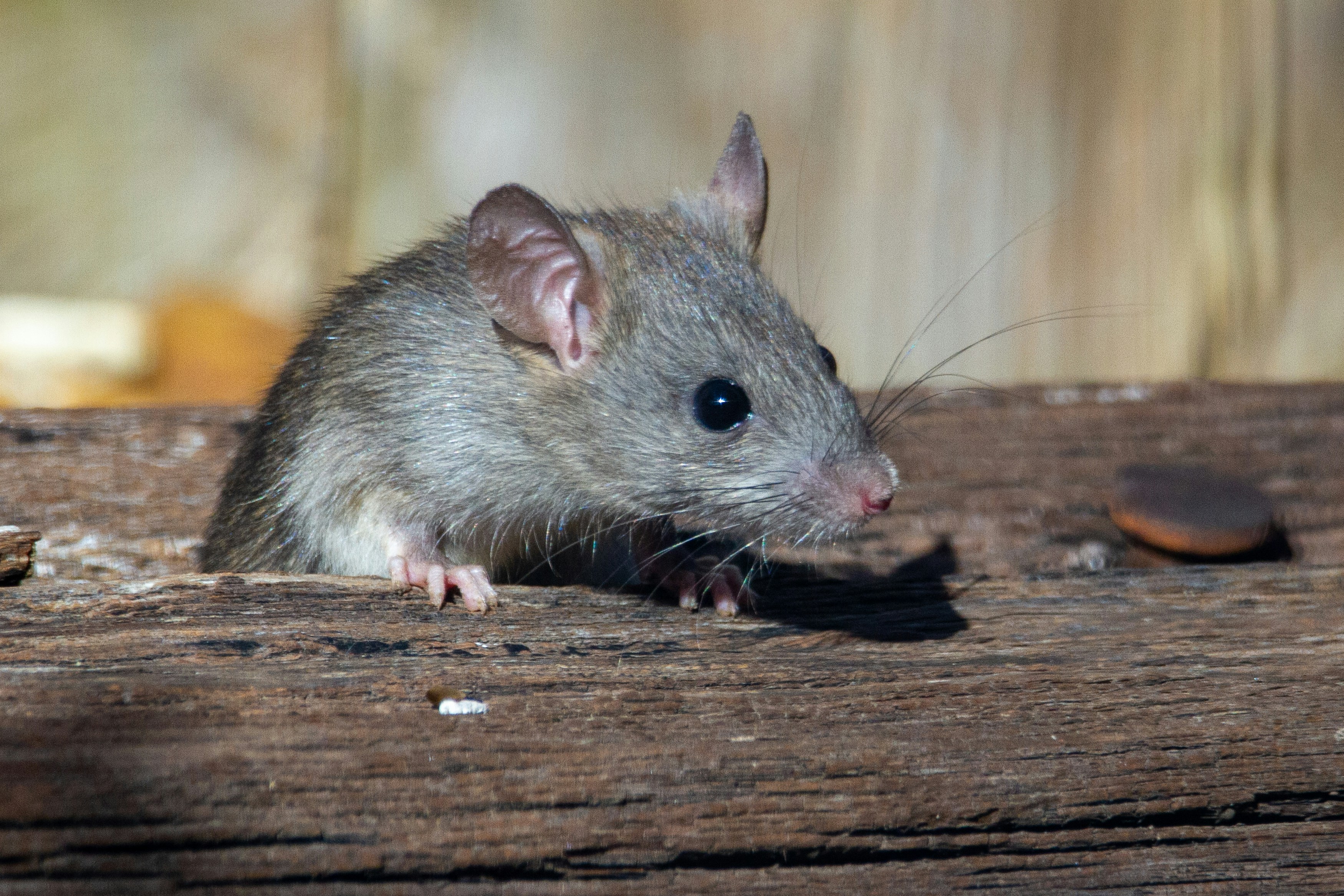
Rats or Mice in Your Georgetown Home?
Rodents are one of the most common and most damaging wildlife problems in Georgetown, TX. The roof rat (Rattus rattus) and Norway rat (Rattus norvegicus) are both active in Williamson County, along with the house mouse. All three can squeeze through gaps smaller than a quarter and establish infestations quickly.
Critter Wrangler provides complete rodent removal — inspection, trapping, and full exclusion sealing — so the problem is solved permanently, not just temporarily.
Why Rodents Are More Than a Nuisance
- Fire hazard — rodents gnaw constantly; chewed electrical wiring is a leading cause of house fires
- Disease — rats and mice spread hantavirus, leptospirosis, and salmonella through droppings, urine, and bites
- Structural damage — they chew through insulation, drywall, PVC pipes, and wood framing
- Rapid reproduction — a single pair of mice can produce 60+ offspring in 90 days
- Contamination — rodent droppings in attics and walls make insulation toxic and require professional cleanup
Our Rodent Removal Process
- Thorough Inspection We inspect your attic, crawl space, walls, and exterior — identifying active runways, entry points, nesting sites, and the extent of the infestation. We tell you exactly what we found and how they're getting in.
- Trapping and Removal We place snap traps and bait stations at active locations. Unlike pest control companies, we focus on elimination — not ongoing monthly service that never ends the problem.
- Full Exclusion Sealing This is the most important step. We seal every entry point — gaps around pipes, vents, HVAC lines, utility penetrations, and roofline gaps — with hardware cloth, copper mesh, and caulk. No gap over ¼ inch is left open.
- Sanitization (Optional) Rodent droppings and urine carry pathogens that linger in insulation. We offer attic cleanup and sanitization as an add-on to restore your home to a safe condition.
Roof Rats vs. Norway Rats in Georgetown
Roof Rat (Black Rat)
The most common rodent in Central Texas homes. Slender, excellent climbers — they access your home via tree branches, utility lines, and the roofline. Most active at night; you'll hear them in the attic and walls after dark.
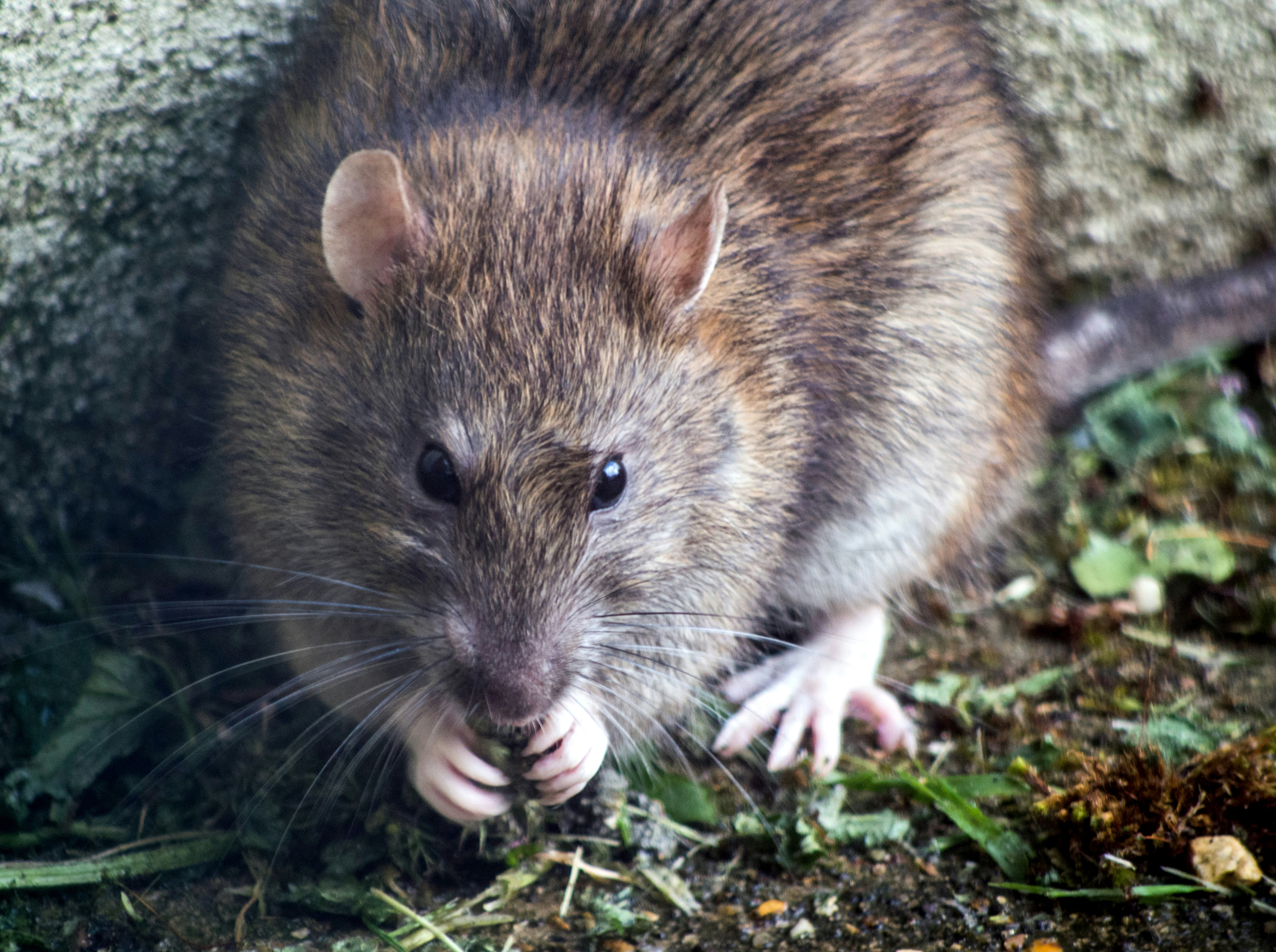
Norway Rat (Brown Rat)
Larger and heavier than roof rats. Burrow in the ground along foundations, in crawl spaces, and under concrete. More common in commercial areas and older neighborhoods.
House Mouse
Small but prolific. Can squeeze through a gap the size of a dime. Common in kitchens, garages, and wall voids. Often the first sign is droppings along baseboards and in cabinet corners.
Signs You Have a Rodent Problem
- Scratching or scurrying sounds in attic or walls at night (also common with squirrels, raccoons, and bats)
- Small dark droppings along baseboards, in cabinets, or in the attic
- Gnaw marks on food packaging, wiring, or wood
- Grease marks along walls (rodents travel the same paths repeatedly)
- Nesting material (shredded insulation, paper, fabric) in secluded areas
- Pet acting alert near walls or cabinets
Rodent Pressure in Georgetown, TX
Georgetown and Williamson County have significant roof rat and Norway rat populations. Rodent pressure is year-round in Central Texas due to the mild climate. High-activity areas include:
- Georgetown Square / historic district — older construction with more gaps; roof rats are common in the crawl spaces and walls of Georgetown's historic commercial and residential buildings
- San Gabriel River neighborhoods — vegetation density along creek corridors supports large rodent populations that pressure adjacent homes
- Sun City Georgetown — the community's aging construction creates entry opportunities; roof rats are among our most frequent Sun City calls, especially in winter months
- Inner Space Cavern / I-35 corridor — commercial properties and older construction along the highway corridor are prime roof rat habitat
- Teravista / Wolf Ranch / newer subdivisions — construction gaps in new homes and landscaping materials attract rodents as neighborhoods establish