That Smell in Your Home Is Telling You Something
A sudden, strong, sweet-foul odor — especially coming from a wall, ceiling, or crawl space — almost always means one thing: an animal died inside your home. In Georgetown, TX, the most common culprits are rats, mice, squirrels, opossums, and raccoons that entered through small gaps and got trapped or died naturally inside wall voids and attic spaces.
Critter Wrangler provides professional dead animal removal throughout Georgetown and Williamson County. We locate the animal, remove it cleanly, treat the area with enzyme deodorizer, and — critically — find and seal the entry point so it doesn't happen again.
Signs You Have a Dead Animal in Your Home
- Strong, sickly-sweet odor — the most obvious sign. It's often described as a mix of rotting meat and sulfur.
- Odor concentrated near a wall, vent, or ceiling — the smell is stronger in one area of the house
- Flies or maggots appearing indoors — flies are attracted to decomposition and can enter through small gaps
- Staining on walls or ceilings — decomposition fluids can seep through drywall
- Smell worsens on warm days — heat accelerates decomposition and odor intensity
- You recently had animal activity — scratching, movement in walls that suddenly stopped
How We Find and Remove Dead Animals
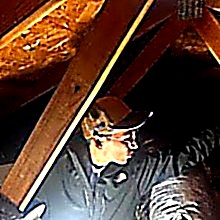
- Odor Mapping We walk through your home systematically, tracking the odor to its source. We check attics, wall voids, crawl spaces, chimneys, and HVAC systems. Experience matters here — we know exactly where animals tend to die.
- Precise Location Once we've narrowed the area, we use probing tools and years of field experience to pinpoint the carcass within inches — minimizing the opening required for access.
- Removal & Containment We remove the animal using proper PPE, double-bag it, and dispose of it per Texas health regulations. If inside a wall, we make a clean access hole (typically 4–6 inches) and patch it afterward.
- Enzyme Treatment We treat the cavity with commercial-grade enzyme deodorizer that breaks down odor molecules at the source — not just masking them. This is the critical step most homeowners skip when attempting DIY removal.
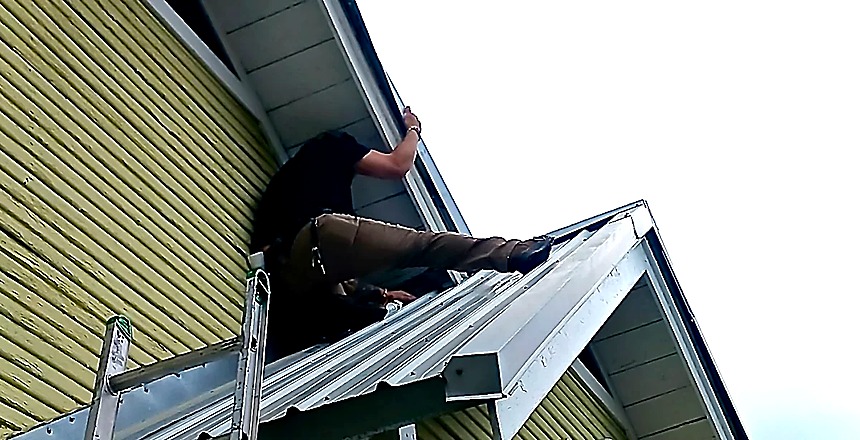
- Entry Point Sealing We identify and seal the gap the animal used to enter. Removing the body without sealing entry points means you'll have this problem again within weeks.
Common Dead Animal Situations in Georgetown, TX
Dead Rats & Mice in Walls
Roof rats and mice are the most frequent dead animal call in Georgetown. They enter through gaps around pipes and utility lines, travel inside wall voids, and often die from rodenticide placed by homeowners or previous pest control companies. The smell from a dead rat in a wall is intense but localized — we can typically pinpoint the area within minutes.
Dead Raccoons & Opossums in Attics
Larger animals that die in attics are more challenging — the carcass is often buried under insulation. We inspect the full attic space, identify disturbance patterns, and locate the animal. Raccoon decomposition in an attic can cause significant contamination requiring insulation remediation.
Dead Animals Under Decks & Porches
Georgetown's hot summers send animals seeking shade under decks, porches, and crawl spaces. Opossums, skunks, and armadillos are common victims. These are usually more accessible but still require proper removal and disinfection to prevent attracting scavengers.
Dead Snakes in Crawl Spaces
Central Texas has significant snake populations, and snakes that enter crawl spaces through foundation gaps can die there. While snake decomposition is less odorous than mammals, the presence indicates open entry points that need sealing.
Dead Animal Removal Near Georgetown Landmarks
Georgetown's diverse neighborhoods each have their own wildlife pressures. We regularly remove dead animals from homes near:
- San Gabriel River corridor — dense riparian habitat brings high wildlife pressure to nearby neighborhoods
- Sun City Georgetown — the large 55+ community frequently deals with roof rats entering through aging construction
- Blue Hole Regional Park area — creek-side homes near the park see heavy raccoon and opossum activity
- Historic Georgetown Square district — older construction has more gaps and entry points for small rodents
- Inner Space Cavern corridor along I-35 — wooded hillsides adjacent to the highway harbor large rodent populations
Health Risks of Dead Animals in Your Home
Decomposing animals are a genuine health concern, not just a nuisance. Risks include:
- Bacterial contamination — Salmonella, E. coli, and other pathogens are present in decomposing tissue
- Parasites — fleas, ticks, and mites abandon a dead host and search for a new one — often entering your living space
- Secondary pest attraction — flies, beetles, and other insects are drawn to decomposition and can spread through the home
- Mold growth — decomposition moisture in wall cavities creates conditions for mold
These risks are why professional removal with proper containment and deodorization matters — not just pulling out the body and calling it done.